


I know…. SCIENCE!!!
What is science?
The simplest explanation is that science is really just an organized way of discovering the truth about things. There are three steps:
- Come up with a question that you want an answer to.
- Come up with a test to try to figure out the answer.
- Remember your answer. And if later, in the future, something makes you think your answer might be wrong or incomplete, then repeat the process by coming up with another question to see if you are right or wrong.
It is really common sense – we all do it every day. Here is an example:
- Your friend buys a new car. The door handle is different than any other car you’ve seen. Not sure how to open it.
- There is a button on the side – you’ve never seen anything exactly like that before. You think the door might open if you press the button on the side. You decide to try that.
- You press the button, and the door opens. If it didn’t, you would go back to step 2 and think of something else.
These three steps that you just did – those are science. The same steps, in the same order. (Just call step 1 a theory and step 2 an experiment).

Look around you. You can see examples of science that has worked everywhere. The alloys in your car, the light bulbs in your house, your smart phone, your tv, the paint on your walls. I dare you – sit in your living room and slowly look around the room and think about all the discoveries that went into everything you see. You will see hundreds of successful scientific theories put into practice.
So if science is so simple and it works, then how can it go wrong?
Well, like anything else, the simplest way to do something doesn’t always work. What if someone tests the wrong thing but it works anyway – like maybe your friend pressing a button on a remote to open the door when you press the button, which really is just a decoration. You would be convinced the button opened the door, your friend would laugh – and your science would be wrong. Or maybe someone lies to make themselves look better.
So science adds in some rules to try to make sure that less things go wrong with the process. One rule is that the science isn’t really finished until it has been peer-reviewed – which is just a way of saying someone other than you has to be able to look at your work and be sure it makes sense. So, for our example, maybe a car salesman is standing there when you press the button on your friends car door. No matter what nonsense your friend does to mess with you, the car salesman would know enough to keep things honest.
Another rule is that your experiments have to be repeatable. Who knows, maybe something random happened when you pushed the button? You can push it and the door opens but whenever someone else pushes it nothing happens. Well then the button doesn’t really open the door. Something else is going on – who knows what. But the result is that your experiment isn’t valid if it can’t be repeated, so we can’t really say we learned that pressing the button opens the door.
This peer reviewing can take years. Sometimes it prompts many discussions, different scientists have different opinions about how the science was done or what it means, sometimes new experiments are derived to prove this or that theory about what was initially done – this process of making sure that we understand and agree on what we have discovered can grind on for a while.
In order to start the peer review process, scientists publish their work in papers. This is announcing to the world that they have found something interesting and are ready to have their work reviewed. This is generally the exciting part of science, but it is really more the beginning of the process than the end.

Show me your SCIENCE!!!
Pause right here. It is VERY important to realize that new scientific discoveries are exciting but not very accurate. Science is really a long process, and the more time and effort spent on a discovery after it is initially announced, the more accurate it will be.
So that gives us a problem – new, unchecked science makes a better news story. So that is what gets reported as science more often in the general media. People get more half baked, incorrect ideas about science than they do real, proven science. And most people don’t know that there are these different levels to science – but there is obviously a huge difference in the accuracy of a discovery just happening and a discovery that has been checked, reviewed, duplicated, and expanded on for 30 years.
Another problem is that the only way to prove yourself as a scientist is to publish papers. Otherwise, other scientists really have no way of knowing for sure what you are working on and how good your work is. This impacts your ability to get jobs, and to keep jobs. In fact, scientists have a saying – “Publish or Perish”. Which goes to show just how important these published papers are to their careers. This leads to a lot of pressure to publish maybe even before your science is solid, or to try to get some publicity. There is too much of a focus on publishing, and sometimes not enough on actual science.
So sometimes, scientists cheat. They make up data or they deliberately interpret their data in the wrong way to make their results sound more important. Or sometimes they try to publish something and make it sound much more exciting and important than it really is, because they want to attract the attention of the news media and try to get some free publicity.
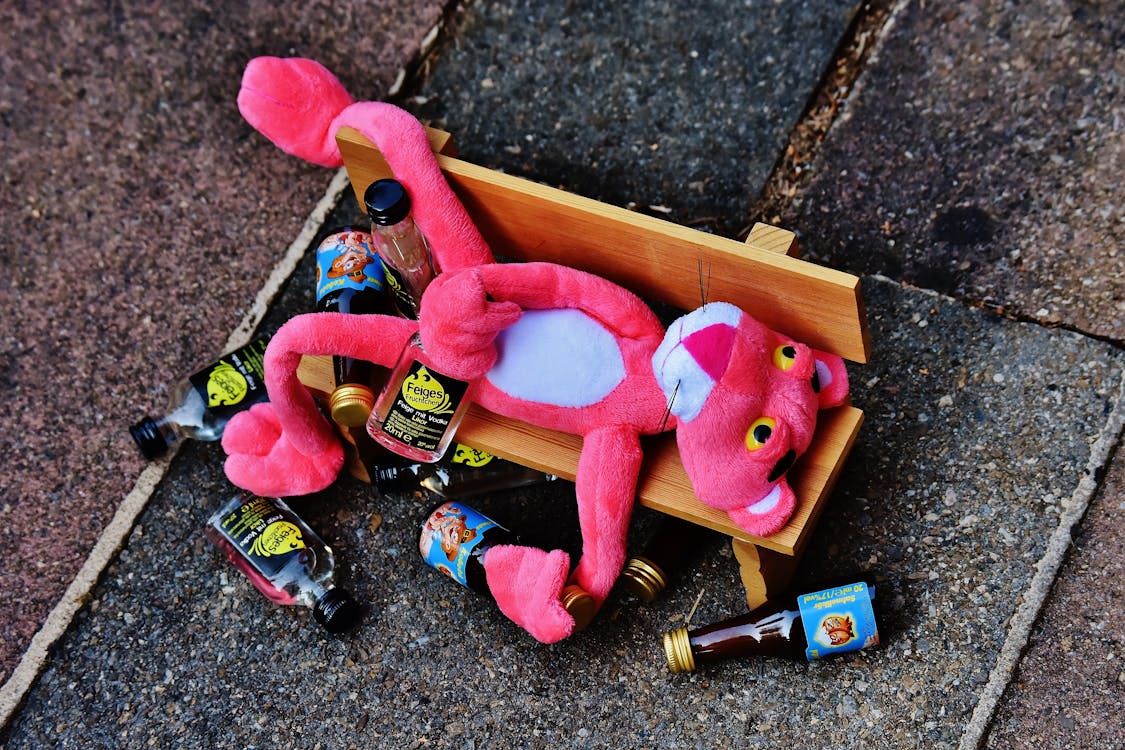
Why did I believe that science story before it was peer reviewed?
Yet one more problem with science is that it can sometimes be bought. For example the tobacco industry paid for research to support the idea that tobacco wasn’t bad for you. Either experiments were staged to produce the results the industry wanted, or the data that the experiments produced was misinterpreted. It doesn’t happen very often, and usually only to support large organizations with a lot of money. A little googling can sometimes reveal who paid for a given study. Even if you can’t definitively find the source of funding, you should generally be cautious when deciding to believe science that supports an industry with a lot of money. You have to be careful that the research is impartial.
All of this doesn’t matter in the long run, because remember – scientists review each others work, ask questions, validate the way things were done, and repeat experiments. If the work is rushed, faked, or just wrong it will definitely be found out. But not before it has potentially gotten reported as news.
Another thing to realize is that science is never finished. Science believes in always questioning, so once something is discovered it isn’t just blindly accepted. New ways are found to check it to see if what is generally believed is still correct, and follow on discoveries are attempted. Just because science doesn’t know 100% about something doesn’t mean science knows nothing. So when an idea is changed it means we are learning, not that we were wrong.
For example, a long time ago we were told eggs were healthy. Then we were told they weren’t. Then we were told they were, and the last time I checked they are supposed to be unhealthy again. It doesn’t mean we don’t understand nutrition at all. It means we are learning about nutrition. When we were initially told eggs were good for you, our understanding of nutrition was rather simple. I think it was basically that we need to eat or we die, and eggs tasted good – so eat them. Then we learned about cholesterol and we were told not to eat them because they were high in cholesterol. Then we discovered that sugar was a huge health risk that we hadn’t accounted for – probably more important than cholesterol. That was when we were told not to worry about cholesterol – eggs are good for you. They didn’t have any sugar, so eat them… and then we were told not to eat them because the particular kind of cholesterol eggs contain is bad for you. But we said that because we learned more again. So we never stopped learning about eggs. We were always questioning and reexamining what we thought we knew, and improving it.
You could just look at the back and forth on eggs and decide science is incapable of producing any kind of information you can actually use. But you would be making your decision based only on one part of what science taught us – eggs. Instead of looking at the whole picture, you would just be looking at a single failure. If you looked at the whole picture – at how much we knew about all of nutrition at each of those points instead of just eggs, you would see something different. At each point, if you followed all of the scientific advice about nutrition that was accepted at the time, you would be healthier than if you ignored all of it.
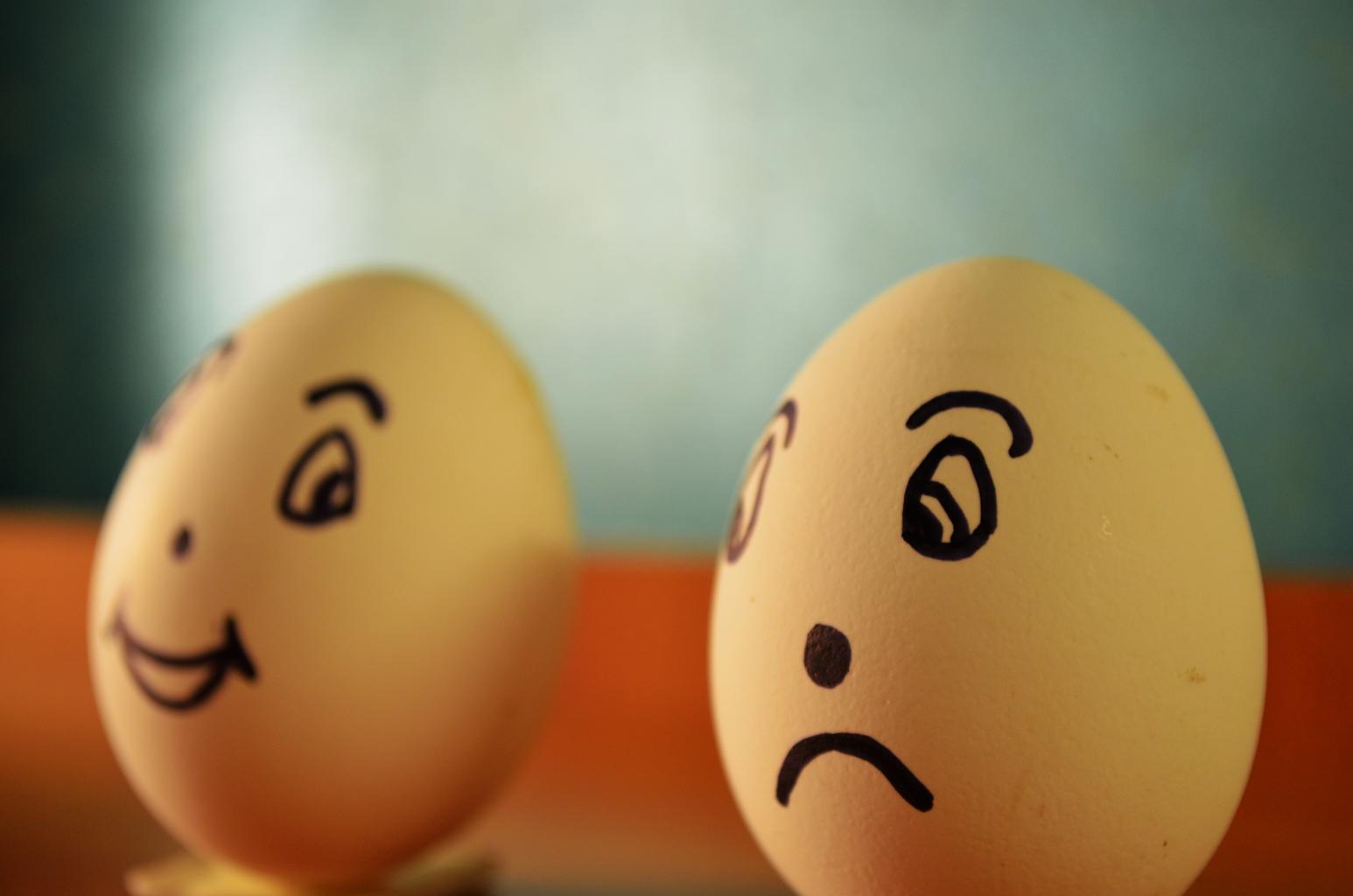
So pause again for a second. This is another important point. Science will never give us answers that are 100% right. But that is different than science being 100% wrong.
Science works. If you doubt it, just look around your living room again. Over time, science has produced many more successes than failures. Your living room exists because of the success of science. If science failed more often than it succeeded, then you wouldn’t have a living room. Those discoveries you see wouldn’t have happened, and we would all be living in caves and killing our dinner with our bare hands.
So here is the summary –
- Science is really just common sense with rules and it works.
- You are usually better off with science than without it.
- If you see a new exciting news story, watch it. It’s probably interesting. Just know that it may be fake or incorrect or just not as important as it seems – treat it as entertainment.
- Once a discovery has been peer reviewed and the experiments verified, it is much more likely to be correct. In fact it is almost always at least partially correct. It is no longer entertainment – it’s news.
- Science is a long process and gets better over time, and the chance of it being completely wrong diminish each time it is peer reviewed.
 Coherence Theory