
I’ve noticed something interesting about people. It seems like the more complicated something is, the less likely they are to listen to people that know about it. Which I find strange, since I personally need the most help understanding complicated things. I’ve got the simple things covered.
Let me give you an example. I’ll use auto repair.
Let’s say your car starts to shake a little bit. Your cousin, who isn’t a mechanic, tells you that he had the same problem once and he fixed it by driving really fast for a while. Whatever it was started knocking louder and louder the faster he drove until finally something popped. His car quit shaking and he hasn’t had a problem with it since.
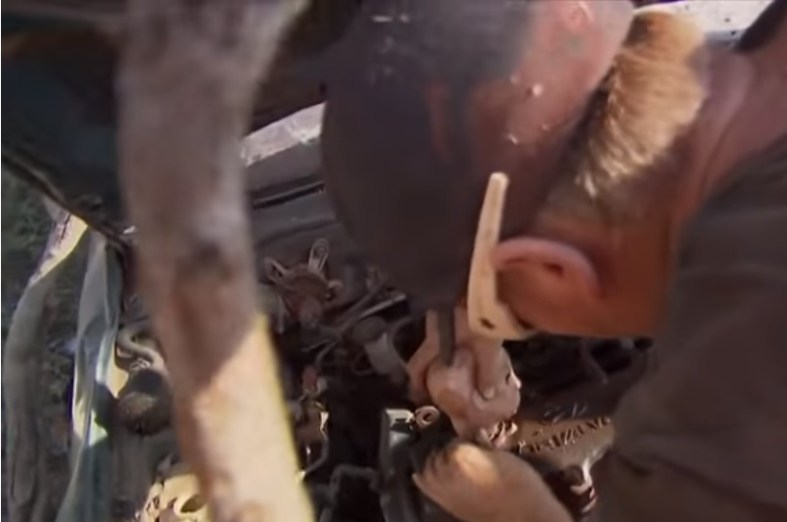
Thanks cuz!
Most people I know would not follow your cousin’s advice, even if they don’t know too much about car repair. On the surface, it would seem like you should. You know him, so he probably isn’t lying, and he said he had the exact same problem and he fixed it. So that should be your answer – but most people I know would ignore him and take it to a professional mechanic.
I think it’s because people are pretty familiar with auto repair. Either you have a car or you know someone with a car, your parents probably had at least one car. Cars are a part of our everyday life. We can’t help but learn a little bit about them. And we know people that know about cars. Most of us have tried to fix at least a few things on them, so we have some repairs we feel good about doing ourselves, and other repairs we may trust one or two of our friends with.
But most importantly, we know our limits. We have a general idea about how much we know about cars and what we can do with it. So if something gets to complicated, we don’t have too much of a problem getting an actual mechanic (expert) to help us with it. In fact, most of us go out of our way to find the most qualified, most experienced, most specialized mechanic we can – we don’t just get a mechanic, we get the best mechanic we can. If we have a Honda, we get a Honda mechanic. If we have a transmission problem, we get a transmission specialist. When you find a really good mechanic, you keep that pone number in a safe place.
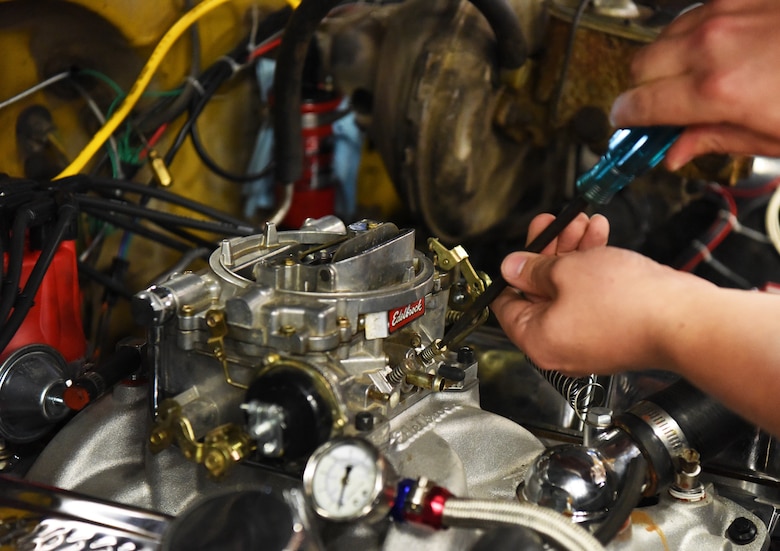
Wow! Gimme your digits
Nothing is perfect – we don’t trust them 100%. Experts can always be wrong, and we need to make sure we aren’t getting charged for repairs that weren’t done for example. And we need to make sure we aren’t going to be charged for fixing something that we could really just live with and didn’t need to be fixed. But we generally rely on what they say and rely on their judgement. We know we don’t really have a choice. Ignoring their advice is usually going to be worse for us than taking it.
And if the problem is really serious, we can reduce the chance of error by getting the opinion of more than one expert. Usually the cost isn’t justified, but for something like whether or not to have a medical operation, you may want a second opinion. Or a third. In a perfect world where cost wasn’t an issue, I suppose you would want hundreds of second opinions. Or thousands. If you have thousands of experts agreeing, the chance of them being wrong probably approaches zero. But who has the money for that?
Anyway, we rely on experts when we need help with things we encounter in our everyday life. Why do we distrust experts for even more complicated things that we have absolutely zero knowledge or experience with?

What does Stonehenge have to do with radiocarbon dating? I don’t know but I’m sure there is something. Anyway I like the picture and it’s late.
I’ll give you an example. I know someone that told me it made no sense to him that scientists thought they could determine the age of something by examining the carbon in it. He was talking about radiocarbon dating, and he was claiming that it couldn’t possibly work.
My friend had probably spent about 10 seconds learning about radiocarbon dating before he decided it wouldn’t work. He read an article that had mentioned it being used and that was probably his only exposure to it. He hadn’t taken any science classes ever that I know of, didn’t read science news, didn’t even really care about science. I’m pretty sure he didn’t even Google the term. He literally knew absolutely nothing about it or how it was supposed to work, and yet he had a strong an opinion that it didn’t work. And if you think about it for just a second – radiocarbon dating isn’t some fringe technique or some brand new technique. It’s been used and improved since 1949. It’s relied on by thousands of people across the world for decades.
So whose opinion do you take? Someone that literally knows nothing, or thousands of experienced experts? Is that even really a question? I feel kind of sorry for exposing my friend, but it’s an important point. The fact that he would have such a silly belief isn’t an indication of his intelligence (or lack of intelligence). It’s actually just the way our brains work.
If we don’t know enough to know how much we don’t know, we think we know almost everything. This is something we have probably all run into once or twice. For example, this is how you can work at a job for 10 years, and have a new guy with zero experience show up and feel like he knows better than you how the job should be done. If you haven’t run into that problem yourself, you probably know someone else that has.
The ability to think you know a lot about something that you really know nothing about is called the Dunning–Kruger effect. It’s a pretty well known term and you won’t have any trouble finding it if you want to google the term and read a little about it – I find it interesting. Everyone is susceptible to it and we all have to pay close attention to what we believe to be sure we aren’t falling under it’s influence. Maybe you wouldn’t fall for radiocarbon dating – that is kind of an obvious one for many people. But maybe it’s worth a little self examination to see if there are other topics that you have formed opinions on that were influenced by the Dunning-Kruger effect.
Anyway, that is why I think we rely less on experts when we need them more. If we know enough to know how much we don’t know, we will be able to call in experts when we need to. If we know less about something, we tend to think there is less to know and we overestimate our knowledge. We think we know it all.
 Coherence Theory